We are excited to welcome Peter Galea, DPM to our Practice

To Pop or Not to Pop (Your Blister)

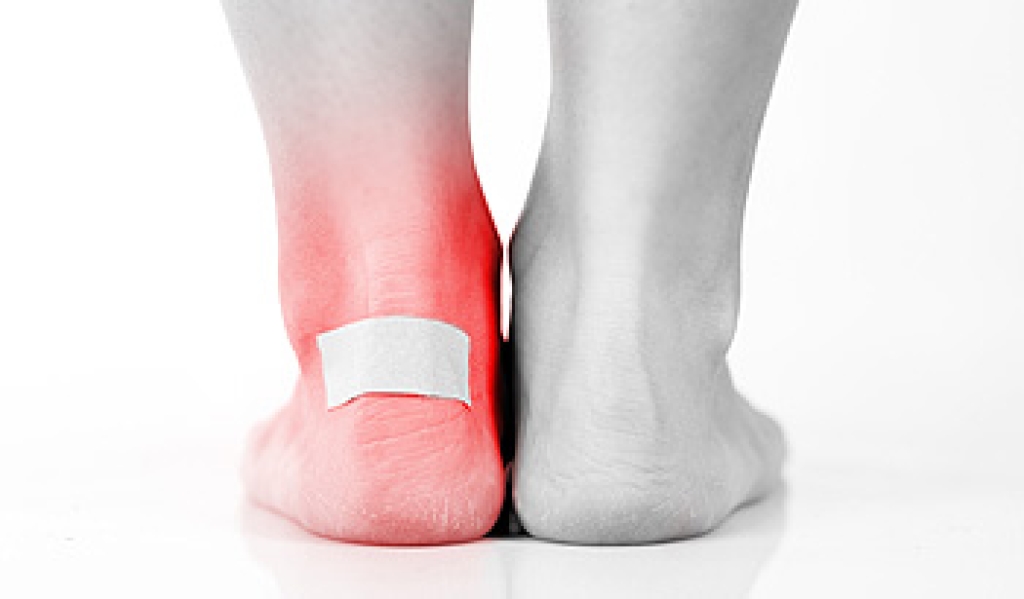
If you have a blister on your foot, you may feel tempted to pop the fluid-filled pocket under your skin. Should you? The general consensus is that you probably shouldn’t. A blister is filled with serum, the liquid part of your blood that contains protective substances like antibodies. Popping or draining your blister removes the serum and makes a hole in your skin, opening the area up to infection. Popping the blister can also cause more pain than simply having an intact blister on your foot. Additionally, it is very important to avoid popping your foot blister if you have diabetes, heart failure, peripheral artery disease, swollen legs, venous ulcers, or a condition that affects your immune system, as these things can increase your chances of getting an infection. If you have a painful foot blister, it is recommended that you visit a podiatrist for treatment. 

Blisters are prone to making everyday activities extremely uncomfortable. If your feet are hurting, contact one of our podiatrists of Geller Foot Clinic. Our doctors can provide the care you need to keep you pain-free and on your feet.

Foot Blisters

Foot blisters develop as a result of constantly wearing tight or ill-fitting footwear. This happens due to the constant rubbing from the shoe, which can often lead to pain.

What Are Foot Blisters?

A foot blister is a small fluid-filled pocket that forms on the upper-most layer of the skin. Blisters are filled with clear fluid and can lead to blood drainage or pus if the area becomes infected.

How Do Blisters Form?

Blisters on the feet are often the result of constant friction of skin and material, usually by shoe rubbing. Walking in sandals, boots, or shoes that don’t fit properly for long periods of time can result in a blister. Having consistent foot moisture and humidity can easily lead to blister formation.

Prevention & Treatment

It is important to properly care for the affected area in order to prevent infection and ease the pain. Do not lance the blister and use a Band-Aid to provide pain relief. Also, be sure to keep your feet dry and wear proper fitting shoes. If you see blood or pus in a blister, seek assistance from a podiatrist.

If you have any questions, please feel free to contact our office located in Lathrup Village, MI . We offer the newest diagnostic and treatment technologies for all your foot care needs.
Read more about Blisters

What to Expect If a Bunion Develops on Your Toe

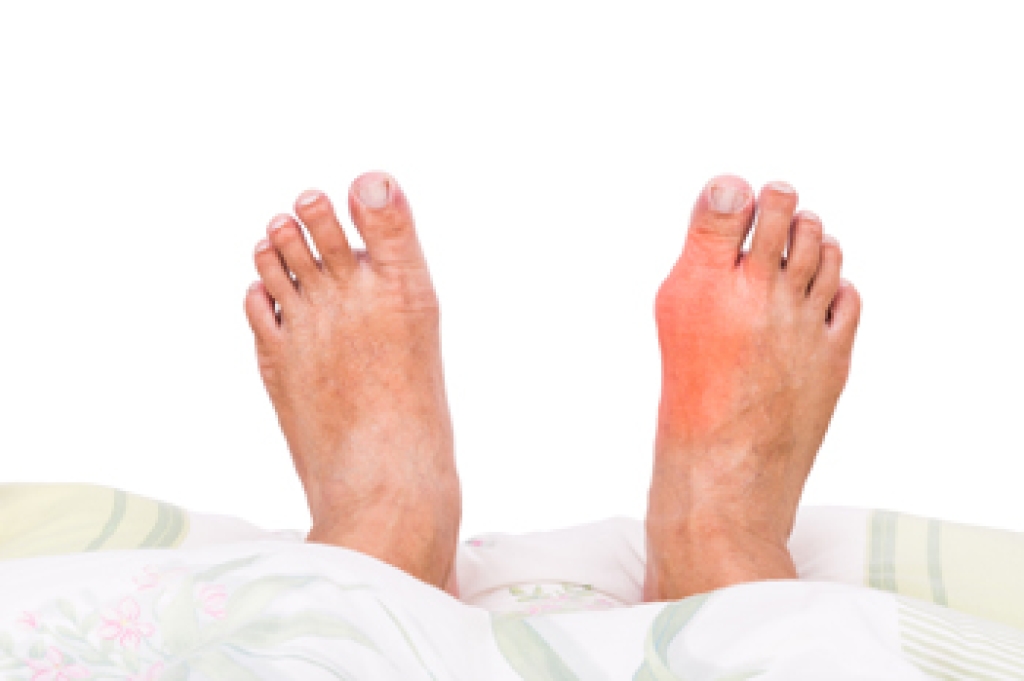
Have you noticed a bump appear on the side of your big toe? If so, you may have developed a bunion. Bunions can be common among older women, however, they can affect anyone. Those affected by a bunion may experience pain, swelling, difficulty walking, a callus on or around the bunion, and a misshapen toe that leans inward, caused by the bunion. Symptoms generally worsen over time if left untreated, which is why it’s important to seek immediate care. If you believe you are experiencing symptoms of a bunion, please consult with a podiatrist for a proper diagnosis and advised treatment plan.

If you are suffering from bunions, contact one of our podiatrists of Geller Foot Clinic. Our doctors can provide the care you need to keep you pain-free and on your feet.

What Is a Bunion?

A bunion is formed of swollen tissue or an enlargement of boney growth, usually located at the base joint of the toe that connects to the foot. The swelling occurs due to the bones in the big toe shifting inward, which impacts the other toes of the foot. This causes the area around the base of the big toe to become inflamed and painful.

Why Do Bunions Form?

Genetics – Susceptibility to bunions are often hereditary

Stress on the feet – Poorly fitted and uncomfortable footwear that places stress on feet, such as heels, can worsen existing bunions

How Are Bunions Diagnosed?

Doctors often perform two tests – blood tests and x-rays – when trying to diagnose bunions, especially in the early stages of development. Blood tests help determine if the foot pain is being caused by something else, such as arthritis, while x-rays provide a clear picture of your bone structure to your doctor.

How Are Bunions Treated?

  • Refrain from wearing heels or similar shoes that cause discomfort
  • Select wider shoes that can provide more comfort and reduce pain
  • Anti-inflammatory and pain management drugs
  • Orthotics or foot inserts
  • Surgery

If you have any questions, please feel free to contact our office located in Lathrup Village, MI . We offer the newest diagnostic and treatment technologies for all your foot care needs.
Read more about Bunions

Sever’s Disease: Not as Scary as It Sounds

If your child complains of foot pain and you take them to the podiatrist, hearing that they have been diagnosed with Sever’s disease can be frightening. Fortunately, Sever’s disease, or calcaneal apophysitis as it is sometimes called, sounds a lot worse than it really is. Rather than being an actual disease, Sever’s disease is an overuse injury. Simply put, it is an injury to the growth plate of the heel bone. Children’s heel bones are typically not done developing until the age of 14. As your child grows, new bone is forming in the heel’s growth plate, a weak area located at the back of the heel. Repetitive stress on this growth plate from participating in sports and activities that involve running and pounding on a hard surface, can cause inflammation and muscle strain. Your child may complain of pain in the back or bottom of the foot, fatigue, or pain while walking or doing sports. With the professional treatment, your child will soon be back on their feet. If you suspect that your child may have Sever’s disease, please visit a podiatrist for a proper diagnosis and treatment.

Sever's disease often occurs in children and teens. If your child is experiencing foot or ankle pain, see one of our podiatrists from Geller Foot Clinic. Our doctors can treat your child’s foot and ankle needs.

Sever’s Disease

Sever’s disease is also known as calcaneal apophysitis, which is a medical condition that causes heel pain I none or both feet. The disease is known to affect children between the ages of 8 and 14.

Sever’s disease occurs when part of the child’s heel known as the growth plate (calcaneal epiphysis) is attached to the Achilles tendon. This area can suffer injury when the muscles and tendons of the growing foot do not keep pace with bone growth. Therefore, the constant pain which one experiences at the back of the heel will make the child unable to put any weight on the heel. The child is then forced to walk on their toes.

Symptoms

Acute pain – Pain associated with Sever’s disease is usually felt in the heel when the child engages in physical activity such as walking, jumping and or running.

Highly active – Children who are very active are among the most susceptible in experiencing Sever’s disease, because of the stress and tension placed on their feet.

If you have any questions, please feel free to contact our office located in Lathrup Village, MI . We offer the newest diagnostic and treatment technologies for all your foot care needs.
Read more about Sever's Disease

Foot Stretches for When You Work on Your Feet

If you work on your feet, you may be familiar with the foot pain and soreness associated with standing all day. Stretching and exercising your feet can help relieve your pain and discomfort. Rolling a tennis ball under your feet can help reduce pain on your soles. For best results, remove your shoes and socks and sit on a chair. Press down lightly on the tennis ball with the bottoms of your feet as you roll it around. If you have ankle pain, you can relieve it by rolling your ankles in slow circles. You should feel a gentle stretch along your calves as the Achilles tendon is stretched. For more advice on how to relieve foot and ankle pain from working on your feet, speak with a podiatrist today.

While working on the feet, it is important to take the proper care of them. For more information about working on your feet, contact one of our podiatrists from Geller Foot Clinic. Our doctors will treat your foot and ankle needs.

Working on Your Feet

Standing on your feet for long periods of time can cause stress and pain in your feet. Your whole body may experience change in terms of posture, back pain, bunions, callouses and or plantar warts. There are ways to avoid these conditions with proper foot care, smart choices and correct posture.

Positive Changes

Negative heeled shoe – Choosing this shoe type places the heel slightly lower than the ball of the foot. These are great for overall foot health. Find shoes that fit you correctly.

Go barefoot – Our feet were not designed to be enclosed for all hours of the day. Try to periodically expose your feet to air.

Eliminate Pain

Foot Exercises – Performing simple exercises, incorporating yoga and doing stretches are beneficial. This will allow increased blood flow to the area and muscles of the foot.

Achilles tendon – Stretching the foot out flat on the floor will relax the calf muscles and tendon. These exercises can be performed almost anywhere. Make sure you add these exercises to your daily regimen. 

With a little bit of this information and knowing more about foot health, you will notice changes. Foot stretches and proper footwear will help with pain and prevent further issues.

If you have any questions please contact our office located in Lathrup Village, MI . We offer the newest diagnostic and treatment technologies for all your foot and ankle needs.

Read more about How to Handle a Long Work Day on Your Feet

Did I Sprain My Ankle?

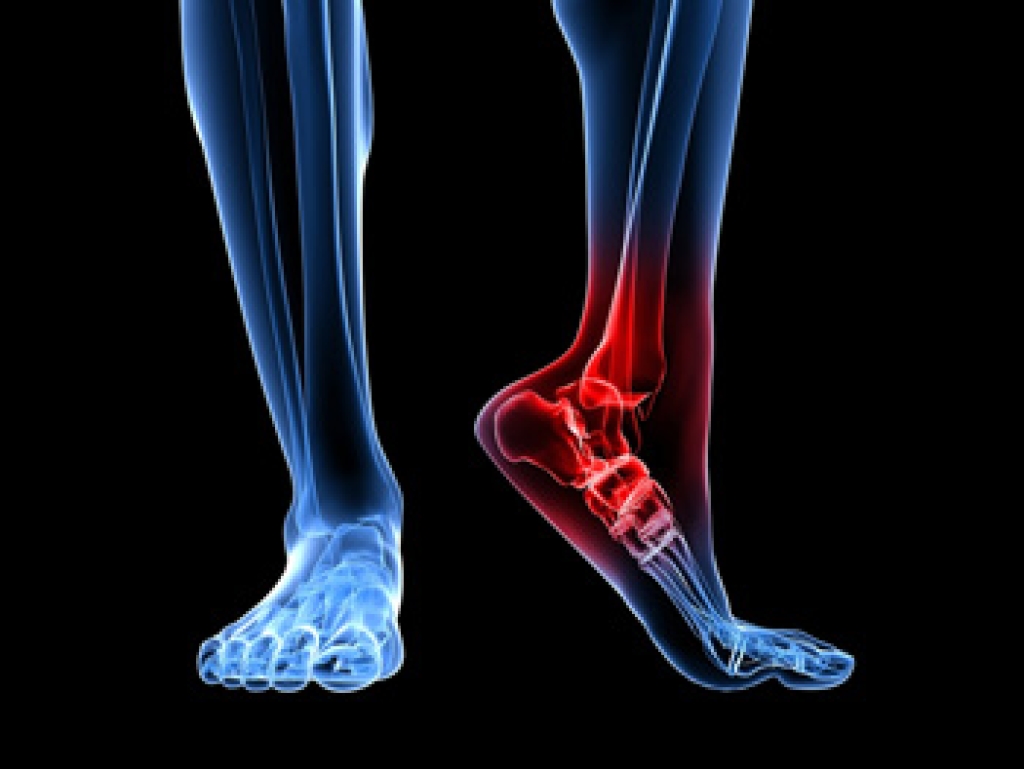
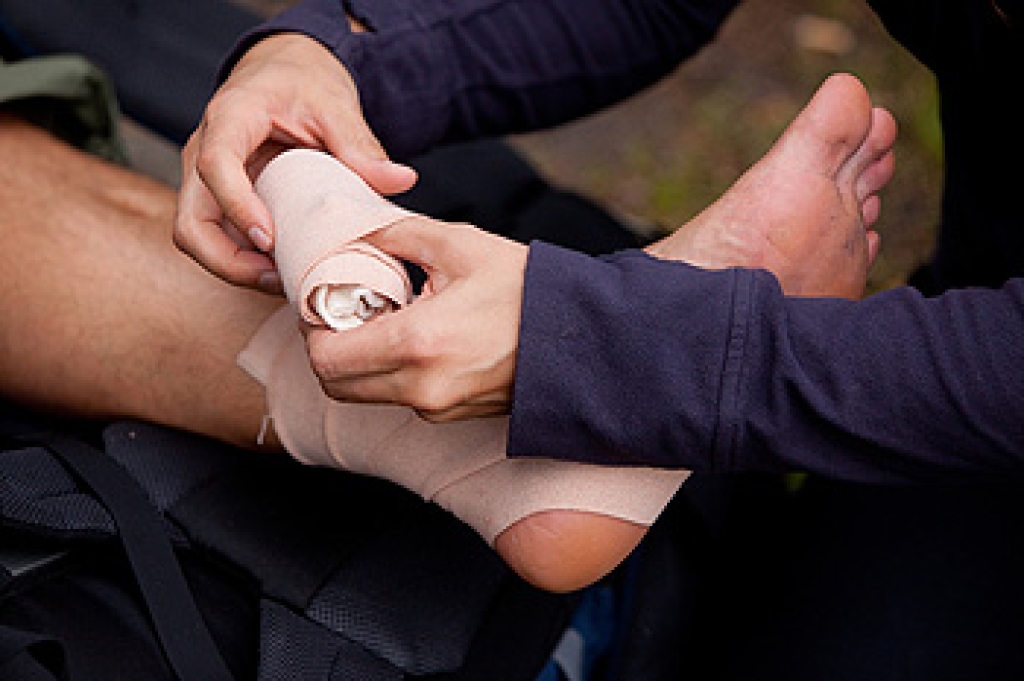
An ankle sprain is one of the most common sports injuries that can occur. Ankle sprains take place when the ligaments that support the ankle are twisted or stretched too far and ultimately tear. The severity of the injury is determined by the amount of ligament damage at the time of injury. Common signs of a sprained ankle include swelling, tenderness, bruising, skin discoloration, pain, stiffness, and being unable to put weight on the affected ankle. Because a more severe sprain can weaken the ankle and lead to future sprains, it is important to visit a podiatrist who can help diagnose and treat your injury. Common treatments may include an ankle brace, rest, ice and physical therapy.  

Ankle sprains are common but need immediate attention. If you need your feet checked, contact one of our podiatrists from Geller Foot Clinic. Our doctors can provide the care you need to keep you pain-free and on your feet.

How Does an Ankle Sprain Occur?

Ankle sprains take place when the ligaments in your ankle are torn or stretched beyond their limits. There are multiple ways that the ankle can become injured, including twisting or rolling over onto your ankle, putting undue stress on it, or causing trauma to the ankle itself.

What Are the Symptoms?

  • Mild to moderate bruising
  • Limited mobility
  • Swelling
  • Discoloration of the skin (depending on severity)

Preventing a Sprain

  • Wearing appropriate shoes for the occasion
  • Stretching before exercises and sports
  • Knowing your limits

Treatment of a Sprain

Treatment of a sprain depends on the severity.  Many times, people are told to rest and remain off their feet completely, while others are given an air cast. If the sprain is very severe, surgery may be required.

If you have suffered an ankle sprain previously, you may want to consider additional support such as a brace and regular exercises to strengthen the ankle.

If you have any questions please feel free to contact our office located in Lathrup Village, MI . We offer the newest diagnostic tools and technology to treat your foot and ankle needs.

Read more about Ankle Sprains

Ready To Start Feeling Better?

248-353-0096 Request Appointment
scroll to top